Almost Artificial Confessions: A Story of Love, Doubt, and AI
Jun. 10, 2025
We live in a world where speeches can be written by algorithms, and no one bats an eye. But what happens when the moment is deeply personal—when the stakes aren’t clicks or conversions, but memory and grief?
That’s the situation one man faced when asked to deliver a speech in front of a hundred people. A city council had decided to honor his mother, who passed away three years earlier, by naming a street after her. A massive honor. A public tribute. And a potential emotional meltdown.
Not being the most confident public speaker, and with no time (or emotional bandwidth) to write something meaningful, he turned to ChatGPT.
And guess what? The AI-delivered speech was a hit.
“A beautiful tribute,” said the culture councilor. “So honest,” added a journalist. The applause echoed, tears flowed—and then came the internal storm. Should he confess who really wrote it? Would it change the way people saw him, or the tribute?
The applause echoed, tears flowed—and then came the internal storm. Should he confess who really wrote it? Would it change the way people saw him, or the tribute?
Maybe. Maybe not.
Because here’s the thing: if a tool helps you express something you couldn’t have said better yourself—does it matter how it was made?
We’ve entered an era where creativity, productivity, and even intimacy are being reshaped by artificial intelligence. AI isn’t just helping us write emails or organize grocery lists. It’s helping us mourn, connect, laugh, and imagine.
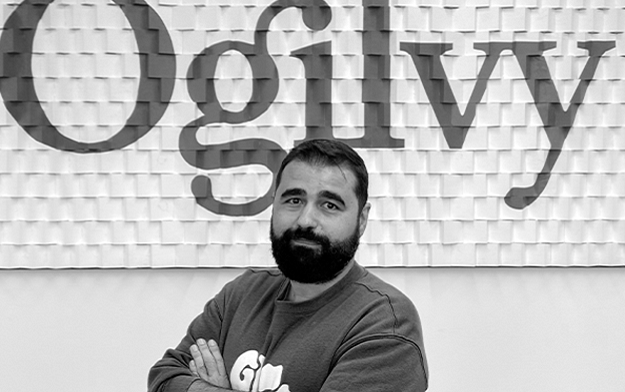
Miguel Provencio, Creative Director at Ogilvy Spain, puts it bluntly:
“Sorry for Sarah Connor, but after using different tools and seeing their potential, I know exactly where I stand. I want AI to do my taxes. To find me non-touristy spots in Japan. To give me better hair for less money. To create movies starring my daughters. To help me be (even) a better lover. To care for me. To love me. Just not to take my job.”
In other words, AI can enhance the human experience—but it shouldn’t erase it. Provencio makes it clear: he’d never ask ChatGPT to write an article about AI in everyday life under 400 words.
And yet… here we are.
Related News

Uber Turns Madrid into a Formula 1 Circuit for the Spanish Grand Prix's Race Week
Mastercard and McLaren racing launch "Interferences," an Ogilvy Spain campaign bringing motorsport to 99% of fans
The Ministry of Equality Turns Customer Reviews of Sex Workers into a Complaint
Created by Ogilvy Spain, the campaign reveals how prostitution has become so normalized that men openly post reviews of their experiences using their real names
COGAM and Ogilvy Create a Media Outlet to Tell the Story of the Match Against the LGBTQ+ Community
"Severe Penalty" highlights LGBTQ+ persecution across 16 World Cup nations

Latest News

Sep. 11, 2026
First Work Following Pitch Win: Saint Elmo's and BVB Present Mockumentary "Buying Borussia"
Saint Elmo's and Borussia Dortmund have already worked together on the multi-award-winning campaign "Balls for Balls"

Sep. 11, 2026
Ad of the Day | Club Med and BETC Paris Redefine Free Time With "The Art of Free Time" Campaign
When Was The Last Time Your Free Time Was Truly Free?