
Elite Athletes Call for Greater Fertility Education and Support Across Women's Sport
Oct. 07, 2026
Gaps in fertility education and support are leaving elite female athletes to navigate family planning alongside competition calendars, selection cycles and funding reviews, according to new research from UK charity Fertility Futures Project.
Athletes described reconciling two sets of deadlines: the demands of elite training and competition and their own reproductive timelines. British Para-Archer Jodie Grinham captured the tension: "Both have deadlines. My body has a clock and sport has a clock".
The report, "Fertility in Elite Sport: From an unspoken issue to shared responsibility," draws on 20 interviews with current and retired elite female athletes and industry leaders. It identifies ten recurring themes, with similar experiences across sports and generations suggesting persistent gaps rather than an isolated athlete’s story. Former GB Rhythmic Gymnast Rachel Smith reflected on the pressures surrounding those decisions: “It's not about the human being that might want to have a child and a family.”
Former British Long-Distance Runner Paula Radcliffe, who was interviewed for the report, called for women’s experiences to be heard: “...this taboo of not listening to what women are telling them, that’s got to be broken down”.
Support needs to begin before pregnancy
Education and care need to start earlier. Across the ten themes, athletes described limited fertility knowledge, having to find answers themselves and uncertainty about where to seek trusted advice. Support needs to cover the whole reproductive journey, including pre-conception care, with education reaching coaches, medical teams, support staff, agents and decision-makers so responsibility does not sit with the athlete alone.
Mathilda Hodgkins-Byrne, British Rower said:
“It’s easy to be so young and so naive in sport and think that this is my future problem.”
A safe culture matters. Concerns about selection, funding and being seen as less committed could discourage athletes from seeking advice. Athletes need an environment where they feel psychologically safe discussing family planning with peers, coaches and support staff. One former GB Swimmer said: "I didn't feel I was able to express to swimming that I wanted to start a family." One current International Footballer described how those plans might be perceived: "There could still be a bit of judgement. Your priorities are elsewhere."
Access to support is uneven. Provision is developing at different speeds: access still depends on an athlete’s sport, club, governing body, status or ability to pay. Initiatives in netball and British football offer examples to build on, while a shared baseline could help lower-resourced organisations make progress.
Anonymous, England Professional Footballer said:
"It’s really tough to hear that some people don’t get what some other people get... the difference is so big and it’s almost not fair".
Egg freezing is one part of a broader offer. Recent attention on egg-freezing provision is an encouraging development. The findings suggest a need for a more holistic approach to fertility support and care, encompassing education, pre-conception advice, reproductive health and access to trusted specialists, so athletes can understand their options and make informed choices earlier.
Role models can change expectations. Visible athlete mothers help show that parenthood and elite competition can coexist. Some interviewees described motherhood as a source of perspective, motivation and resilience, challenging the assumption that it must come at the expense of performance. British Rower Mathilda Hodgkins-Byrne said: “I'm actually a better athlete for having the children.”
Lead researcher Alex Newman, Independent Female Athlete Health Consultant, said:
"What stood out was the consistency of experiences shared across different sports and generations. Athletes repeatedly described the same challenge: trying to make long-term reproductive decisions within short-term performance cycles. The tension between the biological clock and the sporting clock was one of the clearest themes to emerge from the research."
Louise Johnson, Founder of Fertility Futures Project, said:
"This is not about telling athletes when they should start a family. It is about ensuring they have earlier education, trusted advice and genuine choices, without feeling that an open conversation about fertility or family planning could compromise their careers."
The findings will be discussed at Fertility Futures Project’s panel and roundtable session, "Fertility in elite sport: From unspoken issue to shared action", at Leaders Week London at Chelsea FC on 7 October.

Latest News
Oct. 07, 2026
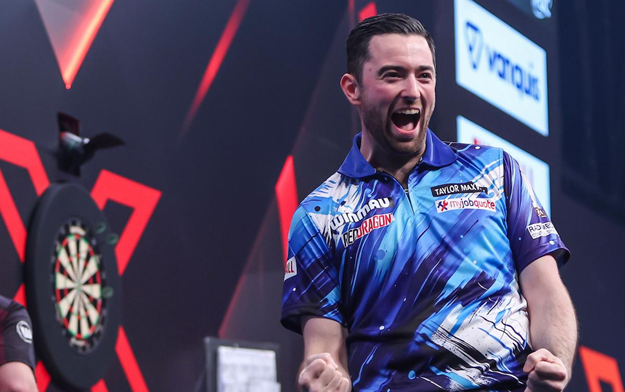
PHA Hits Bullseye with Brief from Nodor Group
The retainer will see PHA supporting Nodor through to the World Darts Championship at Alexandra Palace in December

Oct. 07, 2026
New Creative Team at 180heartbeats + Jung v Matt: Justyna Sokołowska and Mateusz Vlahos Join as Creative Leads
180heartbeats + Jung v Matt is strengthening its creative team with the arrival of Justyna Sokołowska and Mateusz Vlahos