
New Report from Oxford Road and Westwood One Reveals Untapped Opportunities for AI Brands
Aug. 25, 2026
Oxford Road, the world’s largest podcasting agency, and the Cumulus Media | Westwood One Audio Active Group® announced the release of "The Great AI Divide: How Audio Can Help AI Companies Build Their Brands." The timely new study underscores AI’s adoption struggles, while providing an audio-centered solution: Using podcasts and radio to increase awareness.
The AI market’s meteoric rise has been unprecedented, with reports projecting it to reach $4.8 trillion by 2033. Still, improving adoption rates remains a key goal for AI brands looking to realize this untapped potential.
Conor Doyle, President, Oxford Road explained:
"AI's product benefits are immediate, and users feel them the moment they engage. But the marketing has lagged far behind, and the category has a massive awareness problem. The brands that solve it first win, which is why we partnered with Westwood One. Our research confirms podcast and radio listeners are already meaningfully ahead on AI awareness and adoption. The audience is there, and with the right specialist partners, AI brands can finally show up with the tailored message each audience actually needs to hear."
Key findings include:
- AI brands need to market themselves: Americans are vaguely aware and modestly interested in AI services. Weekly AI use (50%) is at the same levels that internet use was in 2001.
- There’s a huge opportunity to market AI applications for the workplace: Most Americans use AI primarily for personal use. The emotional benefits and use cases of AI services for the workplace, however, still need to be articulated.
- Audio should be a centerpiece of AI media plans: Heavy podcast and AM/FM radio listeners significantly over-index on AI usage, awareness, and interest.
- AI ad creative must be sensitive to consumer apprehensions: While brands and media agencies are very positive and excited about AI, average Americans are much more concerned and guarded about the technology. Creative strategy should be mindful of these anxieties, and brands should build trust in AI by positioning it as a collaborator, not a replacement.
- AI creative should be designed with four distinct generational targets in mind: Idil Cakim’s research reveals AI brands should adapt marketing to four different audiences: Gen Z, Millennials, Gen X, and Boomers.
- AI ad creative must prioritize emotional benefits over rational benefits: Brands focusing solely on AI’s speed, cost savings, and ROI need to instead emphasize the technology’s emotional impact, which can help influence brand trust and purchase motivation.
Pierre Bouvard, Chief Insights Officer at Cumulus Media and Westwood One said:
“To be successful, emerging AI brands have to be known before they are needed. AI brands have to win the mind to win the market. Our study makes it clear that audio should play a big part in driving growth as the centerpiece of AI media plans.”
Related News
Oxford Road's New ORBIT Podcast Ranking Urges More Nontraditional Approaches to B2B Advertising
Latest analysis of ad performance acts as a reminder that B2B is a buyer classification, not a content strategy
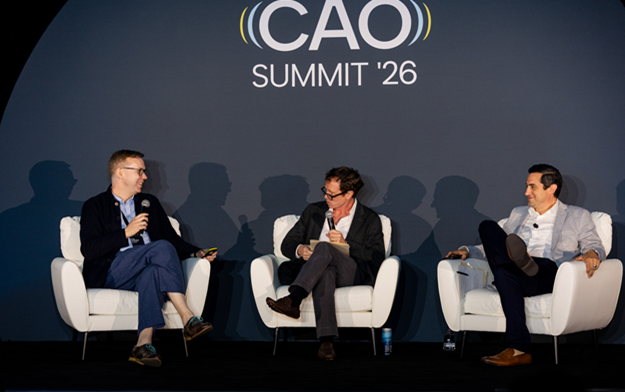
Do Podcast Ads Reach Real Listeners? Oxford Road Partners with Bumper to Find An Answer
Industry leaders unite to launch Bumper Score, a free independent metric verifying podcast ad reach among real audiences
Oxford Road's Ranking of Comedy Podcast Performance Proves A-Listers Aren't Always Closers
ORBIT revisits its comedy podcast ranking to find new names, more competition, and better ad performance

Latest News
Oct. 16, 2026
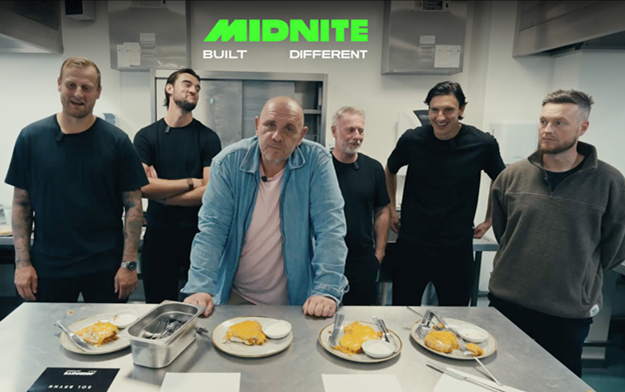
Midnite Serves 1,000 Free Chicken Parmos to Boro Fans This Weekend
Earlier this month, Middlesbrough legends went head-to-head with current first-team players in a Parmo Cooking Challenge
Oct. 16, 2026
Only One in Four UK Adults Recall Live Brand Experiences, but 96% Take Action
Of those who acted, 91% said the experience influenced what they did; product trial was associated with stronger future brand consideration