
The Death of Intuition? A New Look at Creativity in Advertising
Feb. 21, 2025
In today’s hyper-competitive market, brands are pulling out all the stops to stand out, and advertising remains the most powerful tool to get inside consumers' heads. But with every campaign, a lingering question remains: How do you know if your idea will crush it or flop miserably? Is this concept, with this copy and that image, really the best way to sell more chocolate? Is there a way to predict the future?
Apparently, yes. But no, we’re not talking about crystal balls or tarot cards. We’re talking about tests.
Testing has become the industry’s go-to method for evaluating creative ideas. These tools measure and tweak campaigns, ensuring that messages hit the right audience, convey the intended brand image, and, ideally, drive results. With handy metrics, brands can adjust elements pre-launch to maximize success.
But here’s the twist: if differentiation is one of advertising’s golden rules, is this data-driven approach leading brands to churn out the same cookie-cutter content? Are we witnessing the slow death of intuition in the creative process?
Pablo Poveda said:
"Intuition is like an internal compass guiding us through the fog. It’s that gut feeling—the spark—that separates a good idea from a brilliant one. It connects experiences, knowledge, and instinct without overthinking."
Iconic campaigns often arise from such sparks. Think about it—how would you test Jean-Claude Van Damme’s inner monologue while performing the splits on two trucks driving in reverse?
While data analysis and market research remain critical, intuition complements them by adding a spontaneous, human touch. Data tells us what works; intuition tells us why it matters. Sometimes, numbers don’t capture the full story. That’s where gut instinct steps in, identifying connections and creative leaps that make campaigns unforgettable.
Guille F. continued:
“Let’s be real—many of the most memorable ads wouldn’t have survived traditional testing. Yet they resonated deeply with audiences, creating emotional connections that data alone couldn’t predict.”
The secret? Balancing data with creativity. Advertising is as much an art as it is a science. Keeping that human connection at the heart of the process is non-negotiable.
Maybe it’s time to start trusting our intuition again. Maybe we’ve always hated math, and now we hate how numbers kill ideas.
Related News
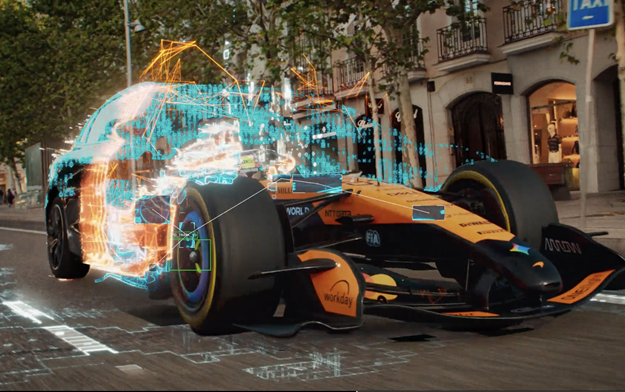
Uber Turns Madrid into a Formula 1 Circuit for the Spanish Grand Prix's Race Week
Mastercard and McLaren racing launch "Interferences," an Ogilvy Spain campaign bringing motorsport to 99% of fans
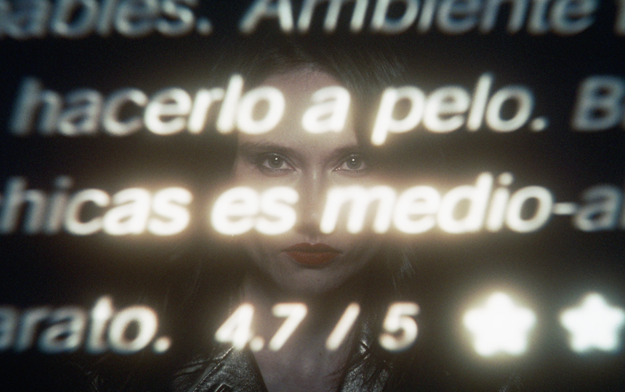
The Ministry of Equality Turns Customer Reviews of Sex Workers into a Complaint
Created by Ogilvy Spain, the campaign reveals how prostitution has become so normalized that men openly post reviews of their experiences using their real names
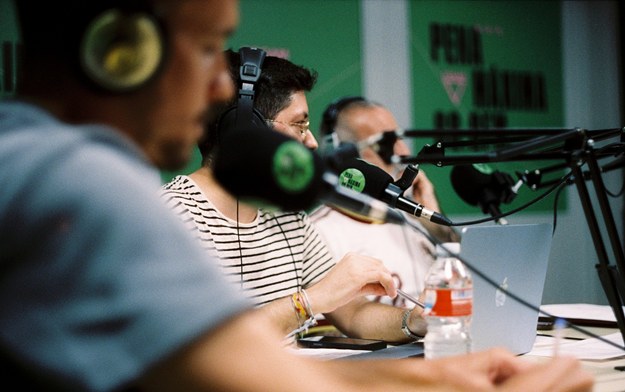
COGAM and Ogilvy Create a Media Outlet to Tell the Story of the Match Against the LGBTQ+ Community
"Severe Penalty" highlights LGBTQ+ persecution across 16 World Cup nations

Latest News

Sep. 18, 2026
Wheels4Wheels: Bolt and Serviceplan Turn Everyday Scooter Rides into Open Accessibility Data
Bolt repurposes everyday scooter rides to map street-level surface quality, creating open data that can help cities, developers and navigation platforms
Sep. 18, 2026
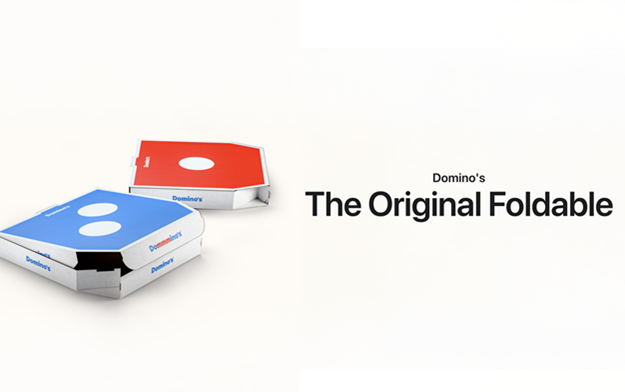
Domino's Pizza Was Foldable Before it Was a Feature
For years, Domino’s Pizza boxes have arrived flat before being folded, unfolded, opened and closed every day to carry what remains, to this day, one of the most popular features around: a pizza