
Not Another Gen Z Report: Almost 4 in 5 Ads Feature them, but Only 1 in 3 Actually Connect
Oct. 14, 2025
System1, The Creative Effectiveness Platform, today released a new study that challenges how advertisers are portraying Gen Z. The findings reveal that 78% of UK ads feature Gen Z characters, double the representation of Millennials and nearly four times higher than over-55s.
Despite this over-representation, the research exposes a critical flaw: only one in three ads featuring Gen Z actually resonate with these viewers. Many campaigns fall into stereotyping and demographic generalisation, missing the emotional connection that drives effectiveness.
Using System1’s Test Your Ad platform, the study analysed 65 ads featuring Gen Z characters, tested with Gen Z men and women. Ads are assigned a Star Rating, based on emotional response, which predicts a creative’s long-term brand-building potential. Results show a marked drop in emotional impact:
- Ads targeting Gen Z women saw an average 0.6-Star decline in long-term brand-building potential.
- Ads aimed at Gen Z men performed even worse, with a 1.5-Star drop.
- Spike Rating (short-term sales potential) also declined across both audiences, confirming that representation doesn’t equal resonance.
On social platforms, the gap widened even more, as resonance scores dropped by 1.7 Stars with Gen Z women and 2.5 Stars with Gen Z men, suggesting that brands are still failing to connect emotionally with Gen Z across the digital environments where they spend a lot of their time.
The wider analysis of 1,000 ads from System1’s Test Your Ad database showed that less than 1% of Gen Z portrayals address mental health, while only 6% touch on body positivity or financial pressures; three of the generation’s top concerns. The report calls on marketers to move beyond stereotypes and outlines five foundational principles for brands seeking to connect with Gen Z.
5 Surprising Insights About What Really Works (and What Doesn’t) with Gen Z
Forget the clichés about short attention spans and social media trends, System1’s ‘Seeing Gen Z’ report reveals a more nuanced picture of how the generation actually responds to advertising.
- Overexposed, Under-Connected
Gen Z make up just 20% of the UK population, yet they appear in almost 4 in 5 ads and 35% feature a Gen Z protagonist. Representation is high, but connection is not: showing Gen Z faces isn’t the same as creating stories that resonate emotionally.
- Tech Talk Turns Them Off
Ads that reference phones or AI saw a drop in appeal; down 0.7 Stars with Gen Z women and 0.3 Stars with Gen Z men. Trying to appear “modern” often ends up feeling impersonal or forced.
- Humour Helps When It Has Heart
Humorous ads performed better when they tackled meaningful topics such as mental health or climate change, increasing appeal by +0.6 Stars with women and +0.5 Stars with men. Substance made the humour more relatable.
- Family Beats Fame
Family and inter-generational stories generated the biggest lift of all; over 1 Star higher than celebrity-led campaigns. Ads that show genuine relationships and shared experiences feel more timeless and relatable to Gen Z.
- Authenticity Isn’t One-Size-Fits-All
Advertisers are still treating Gen Z as a monolith, but even a simple gender split reveals big differences. Gen Z women were more engaged by sports narratives, while Gen Z men responded more to stories centred on kindness and generosity. Authenticity doesn’t mean a single tone, it means understanding the nuances within the generation.
Jon Evans, Chief Customer Officer at System1 and host of the Uncensored CMO podcast said:
"The industry is obsessed with Gen Z, but it’s missing the mark. With dramas like Adolescence highlighting the real challenges this generation faces, brands need to meet them where they are, on the platforms they use most, with content that feels emotionally real and meaningful. Gen Z is complex, and as an industry we’ve fallen into the trap of over-generalising and under-delivering. It’s time we stop treating them as a mystery defined by stereotypes and start seeing them as individuals shaped by their unique context and experiences."
Related News
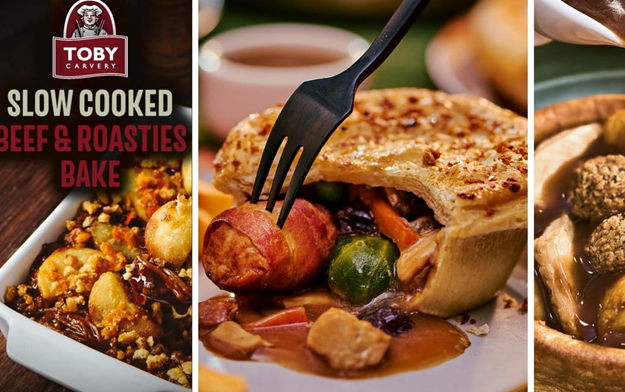
Toby Carvery's new Frozen Range Wins over UK Consumers, System1 Finds
Restaurant chain's supermarket debut serves up 4.2 Stars and wins over 72% of consumers tested

Guide Dogs' "Unleashed" Scores an Exceptional 5.4 Stars, Ranking in top 1% of Charity Ads
Real experiences and uplifting stories of independence help the charity achieve exceptional effectiveness

Publicis London Launches "World Class": New Research Reveals the Hidden Cost of Playing it Safe in Global Advertising
Publicis London’s world Cclass study reveals what makes multi-market campaigns effective

Latest News
Oct. 23, 2026
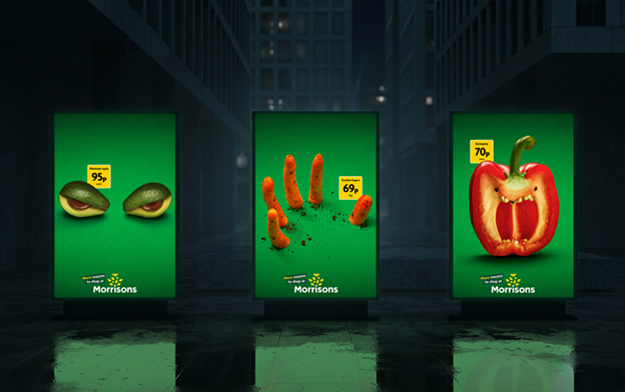
Morrisons Fresh Produce Gets a Monstrous Makeover for Halloween in new OOH campaign by Leo UK
Using simple still-life photography, Morrisons Market Street produce becomes a cast of Halloween monsters

Oct. 23, 2026
Florence Signs Director Jake Vriez Elaar
The New York-based filmmaker joins Florence’s U.S. roster, bringing a Midwestern eye for humor and humanity to advertising, music and narrative work